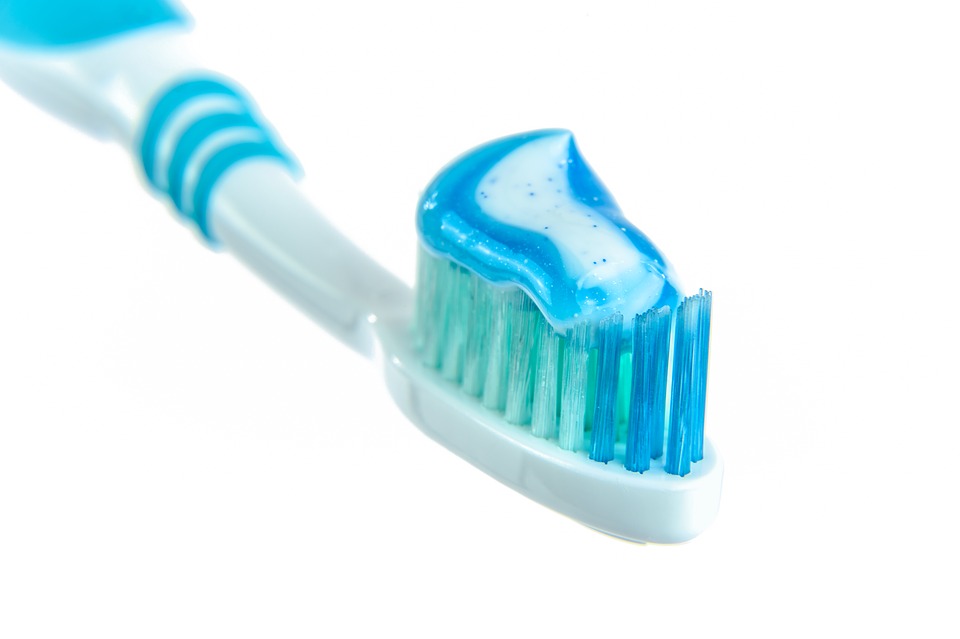
Cleaning your toothbrush is actually quite simple and you’re probably doing it right without even trying. There are, though, recommended methods and guidelines from the American Dental Association, or ADA. Here at Murfreesboro Family Dentistry, we take your dental hygiene seriously and follow ADA guidelines. Here’s how to properly clean your toothbrush.
How to Clean your Toothbrush Every Day
The ADA is clear in that thoroughly rinsing your toothbrush is good enough for everyday use. After rinsing, let the toothbrush sit upright to dry and ensure it is not touching anything; keep it clear of other toothbrushes, the wall or mirror, or anything else that may be around it.
The ADA also says to let your toothbrush dry out in the open – not in a drawer or travel case or cap. Stowing your brush away does not allow for enough ventilation for it to completely dry. Any bacteria on your brush will continue to propagate as long as there is moisture. So, if you want to put your toothbrush in a drawer or case, just let it dry fully beforehand.
Cleaning your Toothbrush While You are Sick
The game changes a little bit if you are sick. Some bacteria and viruses will persist even if your toothbrush is dry. If you have not cleaned it properly, every time you brush, it is reintroducing those pathogens to your body. This can make your recovery time take longer.
The Hydrogen Peroxide Method
Many people wonder if hydrogen peroxide can be used to clean or disinfect a toothbrush. The answer is yes—soaking a toothbrush in a 3% hydrogen peroxide solution can help reduce bacteria on the bristles. However, it’s important to remember that disinfecting your toothbrush is an extra precaution, not a replacement for good toothbrush care. You should still rinse your toothbrush thoroughly after each use, allow it to air dry upright, and replace it every 3–4 months or sooner if the bristles become frayed.
If you’re sick or simply want to give your toothbrush an extra level of cleaning, you can use the following hydrogen peroxide method.
What you’ll need:
· 1 tsp hydrogen peroxide
· 1 cup fresh water
· A cup
Instructions:
1. Put hydrogen peroxide and water in a cup
2. Whisk the head of your toothbrush in the solution a few times
3. Let the head soak for 5 minutes
4. Rinse the peroxide off of the toothbrush
5. Dump the peroxide solution and wash cup
6. Repeat after every brush for as long as you are sick
A Few Additional Tips:
- Always use a fresh hydrogen peroxide solution rather than reusing an old mixture.
- Allow your toothbrush to air dry completely in an upright position after cleaning.
- Don’t share toothbrushes with others, even if they’ve been disinfected.
- Once you’ve recovered from an illness, inspect your toothbrush for worn or frayed bristles and replace it if needed.
Finding a Replacement Toothbrush
Choosing the right toothbrush plays an important role in maintaining good oral health. While there are many styles and brands available, selecting a toothbrush that is comfortable to use and effective at removing plaque is more important than choosing one with extra features.
The American Dental Association (ADA), being the authority of all things dental hygiene, also has guidelines for this. They base their recommendations for manual toothbrushes specifically on five criteria:
1. The toothbrush is all-around safe to use
2. The bristles are blunt, not sharp or jagged
3. The handle is sturdy
4. The bristles are secure and do not fall out
5. The toothbrush is effective in combatting plaque and gum disease
The ADA uses more criteria to test electric toothbrushes as they have more components and moving parts.
Look for ADA Approved Products
When a company submits a product to the ADA for testing, they do extensive evaluations to ensure the safety and efficacy of that product. If the product passes their high level of scrutiny, then the ADA gives it their stamp of approval, literally. On the back of ADA approved products, you can find the ADA’s stamp. When purchasing any dental or oral hygiene products – toothbrushes, floss, toothpaste, mouthwash – look for their stamp.
Common Toothbrush Cleaning Mistakes
Keeping your toothbrush clean doesn’t require complicated routines, but a few common mistakes can reduce its effectiveness or allow bacteria to accumulate more easily. Following proper toothbrush care habits can help keep your toothbrush in good condition between replacements. Avoid these common toothbrush cleaning mistakes:
- Storing Your Toothbrush in a Closed Container – While travel cases are useful when you’re on the go, storing a damp toothbrush in a sealed container for extended periods can trap moisture and limit airflow. Allow your toothbrush to air dry upright whenever possible.
- Not Rinsing Your Toothbrush After Brushing – Toothpaste, food particles, and debris can remain on the bristles after brushing. Rinse your toothbrush thoroughly with tap water after each use to help remove any remaining residue.
- Keeping Your Toothbrush for Too Long – Toothbrush bristles naturally wear down over time, making them less effective at removing plaque. Replace your toothbrush every 3–4 months, or sooner if the bristles become frayed.
- Allowing Toothbrushes to Touch Each Other – If multiple toothbrushes are stored in the same holder, try to keep the brush heads from touching. Giving each toothbrush enough space allows them to air dry more effectively.
- Sharing a Toothbrush – Toothbrushes should always be used by one person only. Sharing a toothbrush can increase the risk of transferring bacteria, viruses, and other microorganisms.
- Ignoring Signs That It’s Time for a Replacement – Even if your toothbrush hasn’t reached the three-month mark, replace it if the bristles are bent, flattened, or noticeably worn. A damaged toothbrush won’t clean your teeth as effectively.
Taking a few simple steps to care for your toothbrush can help support your daily oral hygiene routine and ensure you’re getting the most out of every brushing session.
Murfreesboro Family Dentistry can Help
Need help figuring this all out? Call Murfreesboro Family Dentistry and we can help you find the right tools for the job.